Overview of Religion
 In this tutorial, you will learn about the religious experience in general and some
of its variations around the world. The focus will be on the types of religious
beliefs and religious leaders, especially in small-scale societies. An exploration
of Christianity, Judaism, Islam, or any other major religion is beyond the scope of
this tutorial. The approach taken is that of cultural relativity--religious practices or
beliefs are not evaluated in terms of their "correctness" or "sophistication" but,
rather, in terms of their function within the societies that have them.
What is Religion?
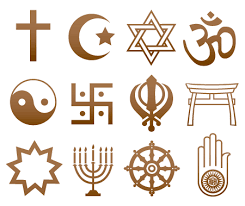 A religion is a system of beliefs usually involving the worship of supernatural
forces or beings. Religious beliefs provide shape and meaning to one's
perception of the universe. In other words, they provide a sense of order in what
might otherwise be seen as a chaotic existence. Religions also provide
understanding and meaning for inexplicable events such as a loved one being
killed in an earthquake or some other unpredictable force of nature. For most
religious people, their beliefs about the supernatural are at the very core of their
world views.
Rituals in Religion
The performance of rituals is an integral part of all
religions. Rituals are stylized and usually repetitive acts that
take place at a set time and location. They almost always
 involve the use of symbolic objects, words, and actions. For
example, going to church on Sunday is a common religious
ritual for Christians around the world. It usually requires the
wearing of somewhat different clothing and interacting with
others in a particular manner in a sacred location. At the
heart of this experience is a sequence of traditional ritual
acts that symbolically represent aspects of the life, teachings, and death of Jesus
Most religious rituals are performed in special places
and under special conditions, such as in a dedicated
 temple or at a sacred spot. This is an intentional
separation between the secular and the sacred. By
being removed from the ordinary world, the sacred acts
are enhanced for the believers. The separation makes
the rituals more effective. Only allowing initiated
people to participate in religious rituals also can have
the same effect.
Religious ritual reinforces the basic tenets of religion.
For instance, the "partaking of the host" in the Catholic mass is a symbolic
participation in the "last supper" of Jesus and, by extension, an affirmation of the
acceptance of his teachings. Rituals are often charged with high emotions. The
exalted feelings people experience during rituals provide positive reinforcement
Children displaying their
national flag--a powerful
secular symbolic object
for continuing them. When rituals make people "feel good", they reinforce the
belief that their religion is the "correct" one.
Non-Religious Rituals
Not all rituals are religious. Brushing your teeth every morning in the same place
and in the same way is a non-religious ritual. Like religious rituals, it also can
make you "feel good", which reinforces your continuance of the practice.
However, it rarely involves a belief in supernatural beings or forces.
 Political ideologies and movements often have rituals that can be profoundly important for people, especially when they become the focus of nationalism. Communism and extreme nationalist movements over the last century essentially became secular religions in some countries.They had their rituals, essentially sacred objects, and beliefs that provided meaning and order for millions of people. Even in democratic nations that are more international in their focus, there are often symbolic political objects and rituals connected with them. An example in the United States is the pledge of allegiance to the American flag in schools and at public meetings. The flag takes on a powerful meaning for which people have given up their lives despite the fact that it is only a piece of cloth with different portions dyed red,white, or blue.
Psychological and Social Functions of Religion
Religions fulfill psychological needs. They help us confront and explain death.
They help relieve our fears and anxieties about the unknown. Supernatural
powers and beings may be appealed to or manipulated by people in times of
crisis, as for example in praying to win a battle or survive a fierce storm.
Religions help ease the stress during personal life crises such as birth, marriage,
serious illness, and death. It is not a coincidence that in most societies the "rites
of passage" that are performed to help people adjust to these often highly
emotional transitions are strongly religious. We also get psychological relief from
"divinely given" moral codes. They lift some of the burden of decision making
from our shoulders in difficult situations because they tell us what is right and
wrong. Knowing what to do without having to think deeply about it provides
tremendous psychological relief.
 Formal North American Church wedding
(religious ritual is central to this rite of passage)
Religions also fulfill social needs. They can be powerful, dynamic forces in
society. By reinforcing group norms , they help bring about social
homogeneity. They can provide a basis for common purpose and values that
can help maintain social solidarity. A uniformity of beliefs helps bind people
together and reinforces group identity.
In most societies, religions play an important role in social control by defining
what is right and wrong behavior. If individuals do the right things in life, they
may earn the approval of the gods. If they do the wrong things, they may suffer
supernatural retribution. For instance, the most sacred text of Islam, the Koran
, not only provides detailed lists of specific kinds of crimes and appropriate
earthly punishments, but it also gives descriptions of how to do mundane tasks
such as eating specific kinds of food.
The sacred texts of religions usually set precedents for proper behavior in
common situations. The Judeo-Christian Bible stories of Adam and Eve, Cain
and Able, Noah, Job, Moses, Solomon, and even Jesus provide examples of how
virtuous people should lead their lives. It does not matter whether the sacred
stories or myths of a religion actually occurred in every detail--they are still
illustrative of correct thought and behavior.
In this tutorial, you will learn about the religious experience in general and some of its variations around the world. The focus will be on the types of religious
beliefs and religious leaders, especially in small-scale societies. An exploration
of Christianity, Judaism, Islam, or any other major religion is beyond the scope of
this tutorial. The approach taken is that of cultural relativity--religious practices or
beliefs are not evaluated in terms of their "correctness" or "sophistication" but,
rather, in terms of their function within the societies that have them.
What is Religion?
forces or beings. Religious beliefs provide shape and meaning to one's
perception of the universe. In other words, they provide a sense of order in what
might otherwise be seen as a chaotic existence. Religions also provide
understanding and meaning for inexplicable events such as a loved one being
killed in an earthquake or some other unpredictable force of nature. For most
religious people, their beliefs about the supernatural are at the very core of their
world views.
Rituals in Religion
The performance of rituals is an integral part of all
religions. Rituals are stylized and usually repetitive acts that
take place at a set time and location. They almost always
involve the use of symbolic objects, words, and actions. Forexample, going to church on Sunday is a common religious
ritual for Christians around the world. It usually requires the
wearing of somewhat different clothing and interacting with
others in a particular manner in a sacred location. At the
heart of this experience is a sequence of traditional ritual
acts that symbolically represent aspects of the life, teachings, and death of Jesus
Most religious rituals are performed in special places
and under special conditions, such as in a dedicated
temple or at a sacred spot. This is an intentionalseparation between the secular and the sacred. By
being removed from the ordinary world, the sacred acts
are enhanced for the believers. The separation makes
the rituals more effective. Only allowing initiated
people to participate in religious rituals also can have
the same effect.
Religious ritual reinforces the basic tenets of religion.
For instance, the "partaking of the host" in the Catholic mass is a symbolic
participation in the "last supper" of Jesus and, by extension, an affirmation of the
acceptance of his teachings. Rituals are often charged with high emotions. The
exalted feelings people experience during rituals provide positive reinforcement
Children displaying their
national flag--a powerful
secular symbolic object
for continuing them. When rituals make people "feel good", they reinforce the
belief that their religion is the "correct" one.
Non-Religious Rituals
Not all rituals are religious. Brushing your teeth every morning in the same place
and in the same way is a non-religious ritual. Like religious rituals, it also can
make you "feel good", which reinforces your continuance of the practice.
However, it rarely involves a belief in supernatural beings or forces.
Political ideologies and movements often have rituals that can be profoundly important for people, especially when they become the focus of nationalism. Communism and extreme nationalist movements over the last century essentially became secular religions in some countries.They had their rituals, essentially sacred objects, and beliefs that provided meaning and order for millions of people. Even in democratic nations that are more international in their focus, there are often symbolic political objects and rituals connected with them. An example in the United States is the pledge of allegiance to the American flag in schools and at public meetings. The flag takes on a powerful meaning for which people have given up their lives despite the fact that it is only a piece of cloth with different portions dyed red,white, or blue.Psychological and Social Functions of Religion
Religions fulfill psychological needs. They help us confront and explain death.
They help relieve our fears and anxieties about the unknown. Supernatural
powers and beings may be appealed to or manipulated by people in times of
crisis, as for example in praying to win a battle or survive a fierce storm.
Religions help ease the stress during personal life crises such as birth, marriage,
serious illness, and death. It is not a coincidence that in most societies the "rites
of passage" that are performed to help people adjust to these often highly
emotional transitions are strongly religious. We also get psychological relief from
"divinely given" moral codes. They lift some of the burden of decision making
from our shoulders in difficult situations because they tell us what is right and
wrong. Knowing what to do without having to think deeply about it provides
tremendous psychological relief.
(religious ritual is central to this rite of passage)
Religions also fulfill social needs. They can be powerful, dynamic forces in
society. By reinforcing group norms , they help bring about social
homogeneity. They can provide a basis for common purpose and values that
can help maintain social solidarity. A uniformity of beliefs helps bind people
together and reinforces group identity.
In most societies, religions play an important role in social control by defining
what is right and wrong behavior. If individuals do the right things in life, they
may earn the approval of the gods. If they do the wrong things, they may suffer
supernatural retribution. For instance, the most sacred text of Islam, the Koran
, not only provides detailed lists of specific kinds of crimes and appropriate
earthly punishments, but it also gives descriptions of how to do mundane tasks
such as eating specific kinds of food.
The sacred texts of religions usually set precedents for proper behavior in
common situations. The Judeo-Christian Bible stories of Adam and Eve, Cain
and Able, Noah, Job, Moses, Solomon, and even Jesus provide examples of how
virtuous people should lead their lives. It does not matter whether the sacred
stories or myths of a religion actually occurred in every detail--they are still
illustrative of correct thought and behavior.
0 comments:
Post a Comment